
Liquor liability insurance for restaurants & bars
Helps protect restaurants, bars, caterers, and retail venues that sell or serve alcohol against certain injury or property-damage claims connected to alcohol service.
How this coverage works
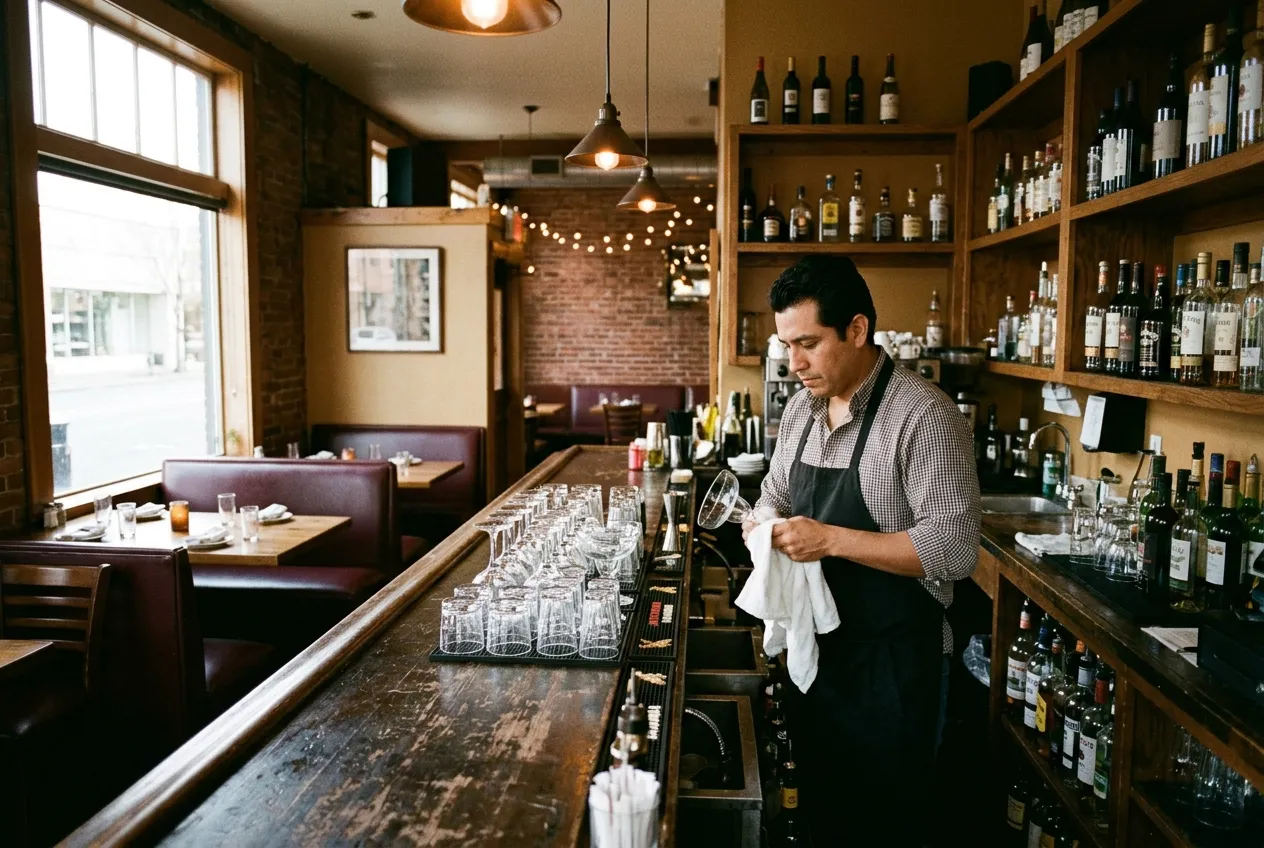
Liquor Liability protects businesses that manufacture, distribute, sell, or serve alcoholic beverages against third-party bodily injury and property damage lawsuits tied to alcohol service. Policies typically provide $1,000,000 per occurrence and $1,000,000 to $2,000,000 aggregate limits—covering legal defense fees, court judgments, and covered settlements arising from alleged overservice or liquor-related incidents.
Written either on a standalone basis for bars, taprooms, and tasting rooms or endorsed onto qualifying restaurant Business Owner’s Policies (BOP), pricing reflects annual alcohol sales volume and beverage share rather than total food revenue. Deductibles commonly span $0 to $2,500 by establishment class.
What it typically covers
- Third-party auto crash or injury lawsuits alleging your staff served a visibly intoxicated guest prior to leaving the venue
- Legal defense attorneys, expert witnesses, and court costs even when an overservice lawsuit is ultimately dismissed
- Property damage caused off-site or inside neighboring suites by an intoxicated patron tied to your alcohol service
- On-premises patron injuries related directly to alcohol impairment when not separately excluded on the hospitality form
Common exclusions
- Knowingly serving minors under age 21 or violating state liquor board licensing suspensions or operating-hour laws
- Assault and battery or bouncer physical-altercation claims unless explicitly bought back via Assault & Battery coverage
- Work-related injuries to bartenders or servers (covered under Workers’ Compensation)
- Damage to your own bar counters, glassware, or liquor stock (covered under Commercial Property)
Practical details before you quote
Real-world scenarios
- A Hillsboro family Mexican restaurant and bar whose sales mix includes 22% margaritas, beer, and tequila service alongside dine-in meals
- A Willamette Valley taproom and bottle shop pouring craft beer on patio seating and requiring $1M Liquor Liability on its commercial lease
- A Portland-metro licensed mobile bartender and event caterer serving weddings and summer festivals across Oregon and SW Washington
What shapes your price
- Estimated annual alcohol sales receipts and percentage split compared to food, coffee, or non-alcoholic revenue
- Establishment type (family dining restaurant vs. late-night tavern, taproom, or off-site mobile caterer) and closing hours
- Mandatory server certification compliance (Oregon OLCC Alcohol Server Permits or Washington LCB MAST training)
- Presence of live entertainment, pool tables, security staff, and whether Assault & Battery buyback is included
What to have ready
- Estimated split between alcohol sales and total annual food/event revenue
- OLCC / state permit license status and server training practices
- Operating hours and premise seating/occupancy details
Available alongside Commercial General Liability and Restaurant Commercial Property packages.
Frequently asked questions
Common questions on coverage limits, requirements, and renewals in Oregon and Washington.
Standard ISO General Liability forms contain a strict Liquor Liability Exclusion for any business that manufactures, sells, or serves alcohol for profit. Without adding a Liquor Liability endorsement or standalone policy, your CGL insurer will decline to defend an overservice lawsuit.
Both states enforce mandatory server training (Oregon OLCC Alcohol Server Permits and Washington LCB MAST permits) alongside strict overservice rules. Furthermore, commercial landlords and municipal permits routinely check for $1,000,000 Liquor Liability COIs with Additional Insured naming the property owner before signing off on service.
Not automatically. Many hospitality Liquor policies include an Assault & Battery exclusion or low sublimit unless you specifically select a form or buyback endorsement covering physical altercations involving patrons or security staff.
Host Liquor applies when an office, retail shop, or private party host serves complimentary drinks occasionally without selling alcohol or holding a liquor license. Once you charge per drink, sell event tickets including alcohol, or operate under an OLCC/LCB license, you need true Retail Liquor Liability.
Related coverages
View all coverages in this category
Commercial General Liability (CGL)
Helps protect your business against third-party claims for bodily injury or property damage connected to your operations—for example, if a visitor is injured at your premises or job site.
Explore coverage
Commercial Property Insurance
Helps protect the physical assets of your business—including owned buildings, tenant improvements, office furniture, retail inventory, and in-shop equipment—against covered risks.
Explore coverage
Special Event Liability Insurance
Targeted liability coverage for an individual gathering or community occasion, helping cover third-party bodily injury or venue property damage claims during the event.
Explore coverage
Workers' Compensation Insurance
Provides statutory benefits for employees experiencing a work-related injury or illness, helping cover medical expenses and a portion of lost wages.
Explore coverage
Compare clear options in your language
Our licensed advisors compare different carriers across Oregon and Washington and normally respond within 60 to 90 minutes during business hours.