
Commercial property for buildings & inventory
Helps protect the physical assets of your business—including owned buildings, tenant improvements, office furniture, retail inventory, and in-shop equipment—against covered risks.
How this coverage works
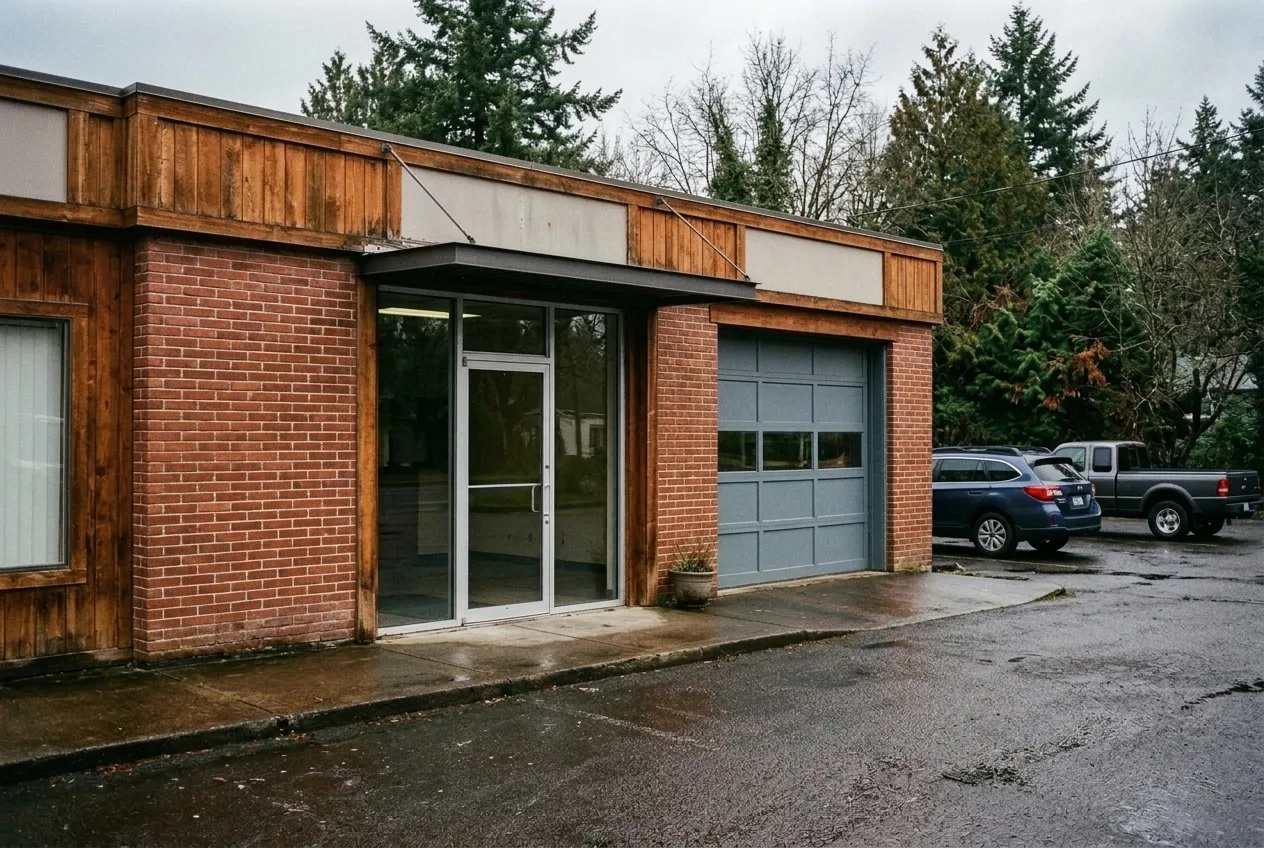
Commercial Property insurance protects the physical assets of your operation—owned commercial buildings, retail inventory, tenant improvements, office furnishings, and stationary machinery—against covered perils on Special (open-perils), Broad, or Basic forms. Policies also pair naturally with Business Income and Extra Expense (BI/EE) to replace lost net income and ongoing rent or payroll during post-loss repairs.
Key policy mechanics include Replacement Cost versus Actual Cash Value (ACV) valuation, property deductibles starting around $1,000 to $5,000, and Coinsurance clauses (often 80% or 90%) requiring insured limits to stay proportional to full rebuilding value. Eligible small businesses often bundle Commercial Property and CGL inside a Business Owner’s Policy (BOP).
What it typically covers
- Owned commercial buildings, warehouses, roofs, HVAC units, and permanently attached fixtures damaged by fire, windstorm, hail, or lightning
- Business Personal Property (BPP) including retail inventory, salon stations, restaurant kitchen equipment, office computers, and shelving
- Tenant Improvements and Betterments paid for by a leasing business—such as custom flooring, partitions, plumbing, and buildouts
- Business Income and Extra Expense (BI/EE) replacing lost net revenue, ongoing lease payments, and temporary site setup after a covered loss
- Exterior commercial signage, plate storefront glass, and debris removal up to scheduled sublimits
Common exclusions
- Flood, surface water runoff, and earthquake ground movement unless added through separate policies or Difference in Conditions (DIC)
- Normal wear and tear, roof deterioration, neglected maintenance, and gradual water seepage or mold
- Tools, laptops, or heavy equipment routinely taken off-site to client jobsites (requires Commercial Inland Marine)
- Off-premises utility power outages unless a Utility Services Time-Element endorsement is specifically added
Practical details before you quote
Real-world scenarios
- A Woodburn retail grocery and panadería leasing a corner storefront and protecting walk-in coolers, inventory stock, glass, and Business Income
- An owner-occupied auto repair and tire shop in Salem insuring its steel-frame service bays, hydraulic lifts, and diagnostic equipment
- A Beaverton dental or chiropractic clinic protecting interior tenant buildout investments, medical chairs, and digital imaging units inside a leased plaza
What shapes your price
- Building construction class (frame vs. masonry or steel-frame), square footage, and age of roof, wiring, and plumbing
- Occupancy hazards (cooking hood UL 300 maintenance, combustible storage, or retail foot traffic) and neighboring tenants
- Public protection class (fire hydrant proximity, central-station fire/burglar alarms, and automatic sprinklers)
- Selected valuation (Replacement Cost vs. ACV), Business Income month limits, and property deductible amount
What to have ready
- Building ownership status (owned structure vs. leased interior contents)
- Square footage, construction material, roof age, and fire protection
- Valuation of business furniture, inventory stock, and stationary machines
Eligible small businesses can combine Commercial Property and General Liability inside a Business Owner’s Policy (BOP).
Frequently asked questions
Common questions on coverage limits, requirements, and renewals in Oregon and Washington.
Your landlord’s policy typically insures only the building shell. Commercial Property protects your Business Personal Property (inventory, shelving, computers, kitchen machines), Tenant Improvements you paid to build inside, exterior signage, storefront plate glass, and your lost Business Income after a covered closure.
Business Income replaces net profits you would have earned plus continuing fixed expenses—like rent, utilities, and key payroll—while contractors restore the damaged property. Extra Expense pays additional costs to stay open quickly, such as renting a temporary workspace or rush-shipping replacement gear.
Standard commercial property forms exclude earth movement (earthquake) and rising surface water or flood due to regional catastrophe risk. In Oregon and Washington, businesses seeking earthquake or flood protection must request a separate earthquake policy, flood coverage, or Difference in Conditions (DIC) endorsement.
Most policies carry an 80% or 90% Coinsurance clause requiring you to insure property near its true replacement value. If you insure a $500,000 building or stock for only $250,000 to save premium, a partial claim is reduced proportionally—making accurate annual value reviews essential.
Related coverages
View all coverages in this category
Commercial General Liability (CGL)
Helps protect your business against third-party claims for bodily injury or property damage connected to your operations—for example, if a visitor is injured at your premises or job site.
Explore coverage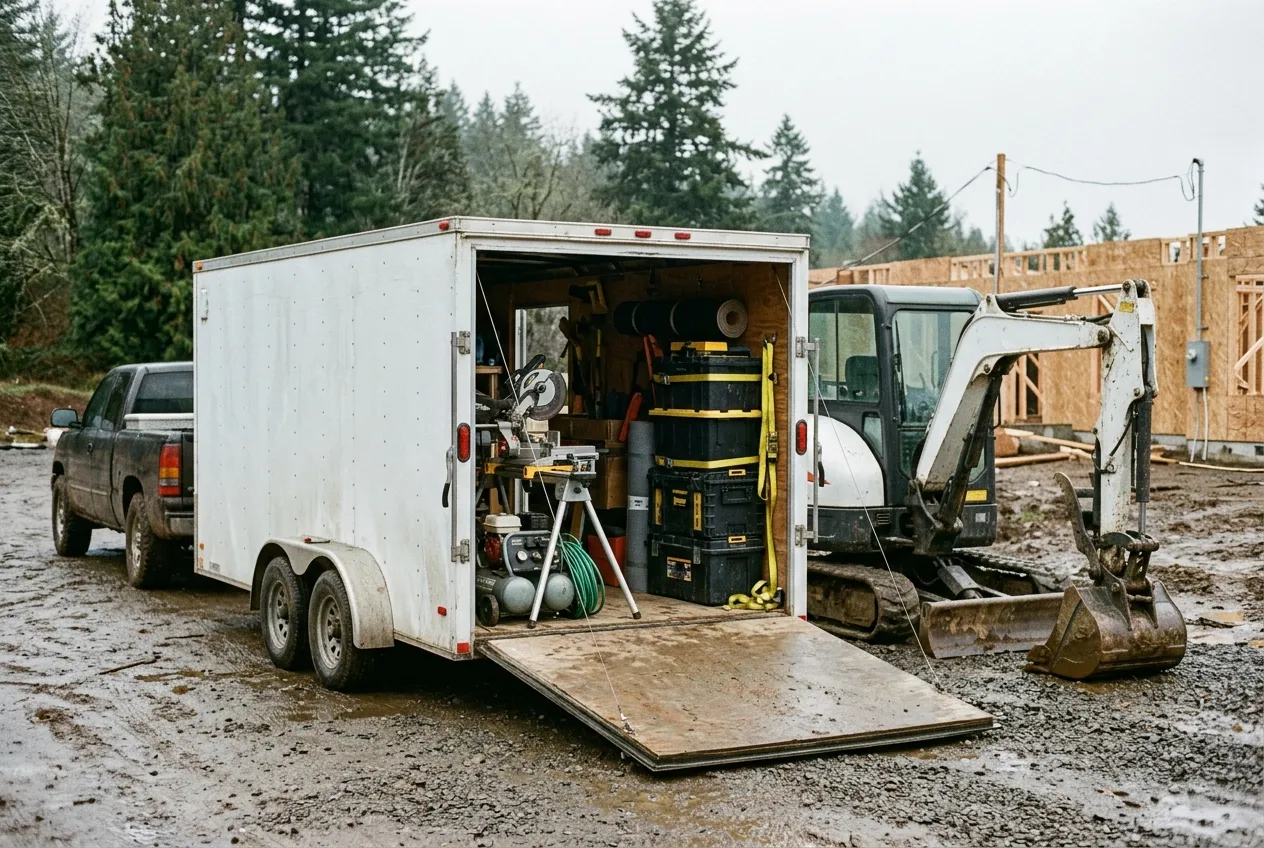
Commercial Inland Marine Insurance
Helps protect contractor tools, machinery, and valuable mobile equipment while transported between sites or actively used away from a fixed location, such as on a job site.
Explore coverage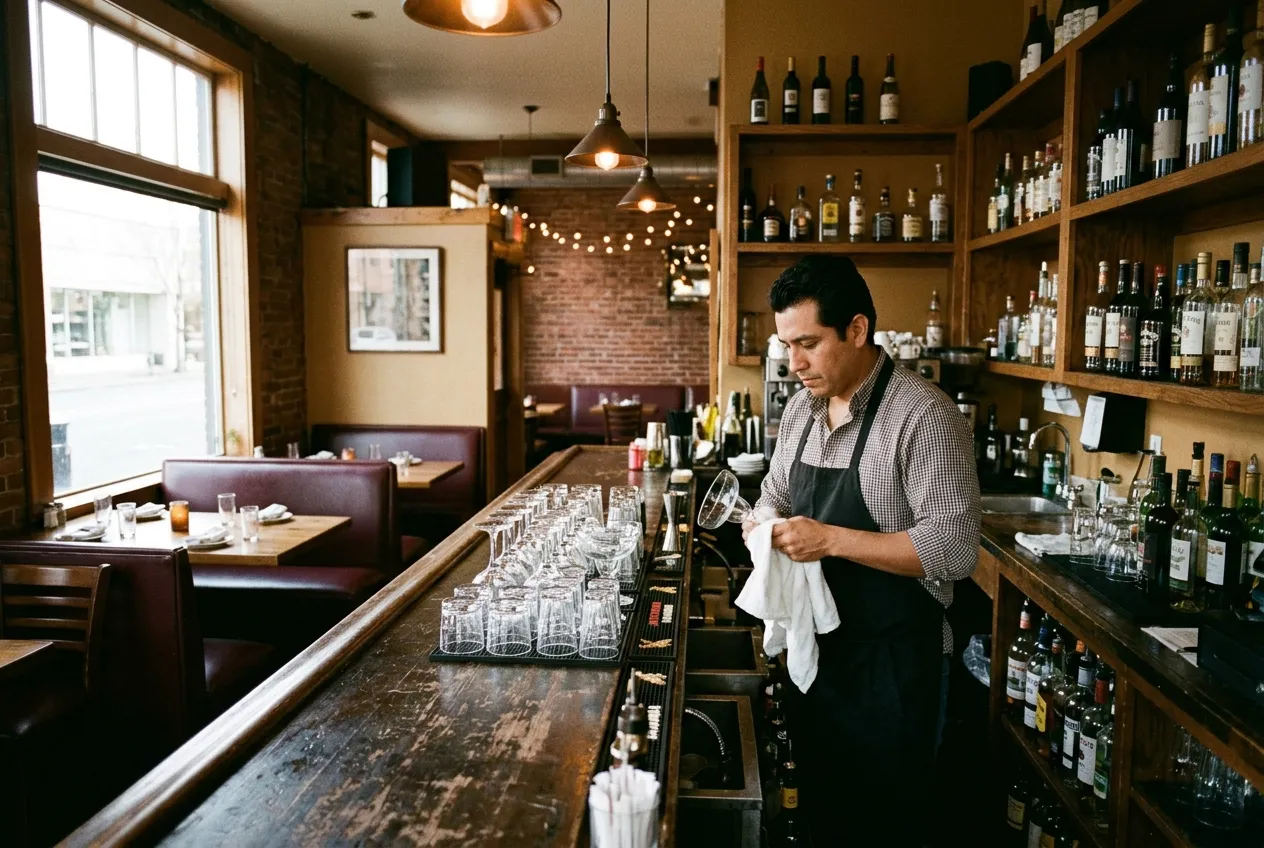
Liquor Liability Insurance
Helps protect restaurants, bars, caterers, and retail venues that sell or serve alcohol against certain injury or property-damage claims connected to alcohol service.
Explore coverage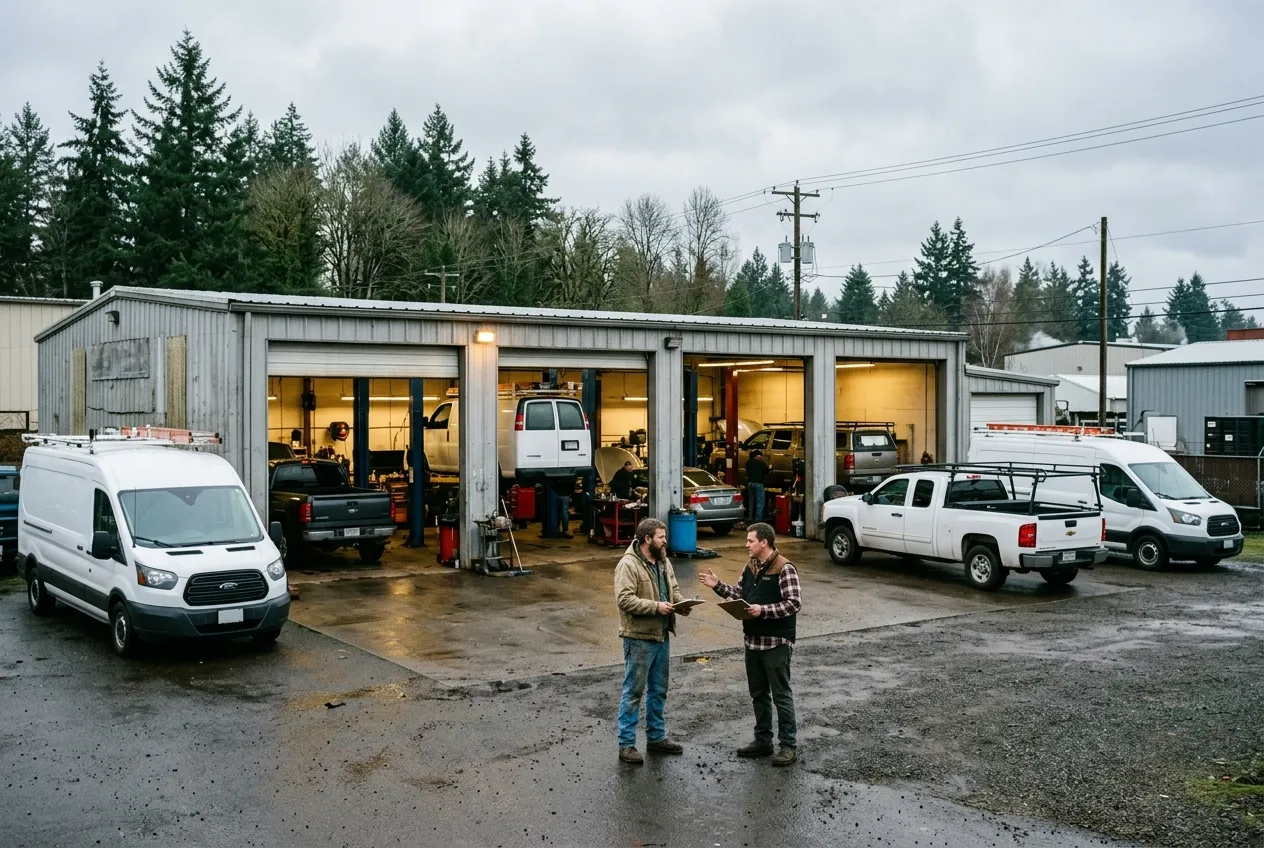
Commercial Umbrella Insurance
Adds an extra layer of liability protection above the limits of specific underlying commercial policies according to policy conditions.
Explore coverage
Compare clear options in your language
Our licensed advisors compare different carriers across Oregon and Washington and normally respond within 60 to 90 minutes during business hours.