
Workers' compensation insurance for your crew
Provides statutory benefits for employees experiencing a work-related injury or illness, helping cover medical expenses and a portion of lost wages.
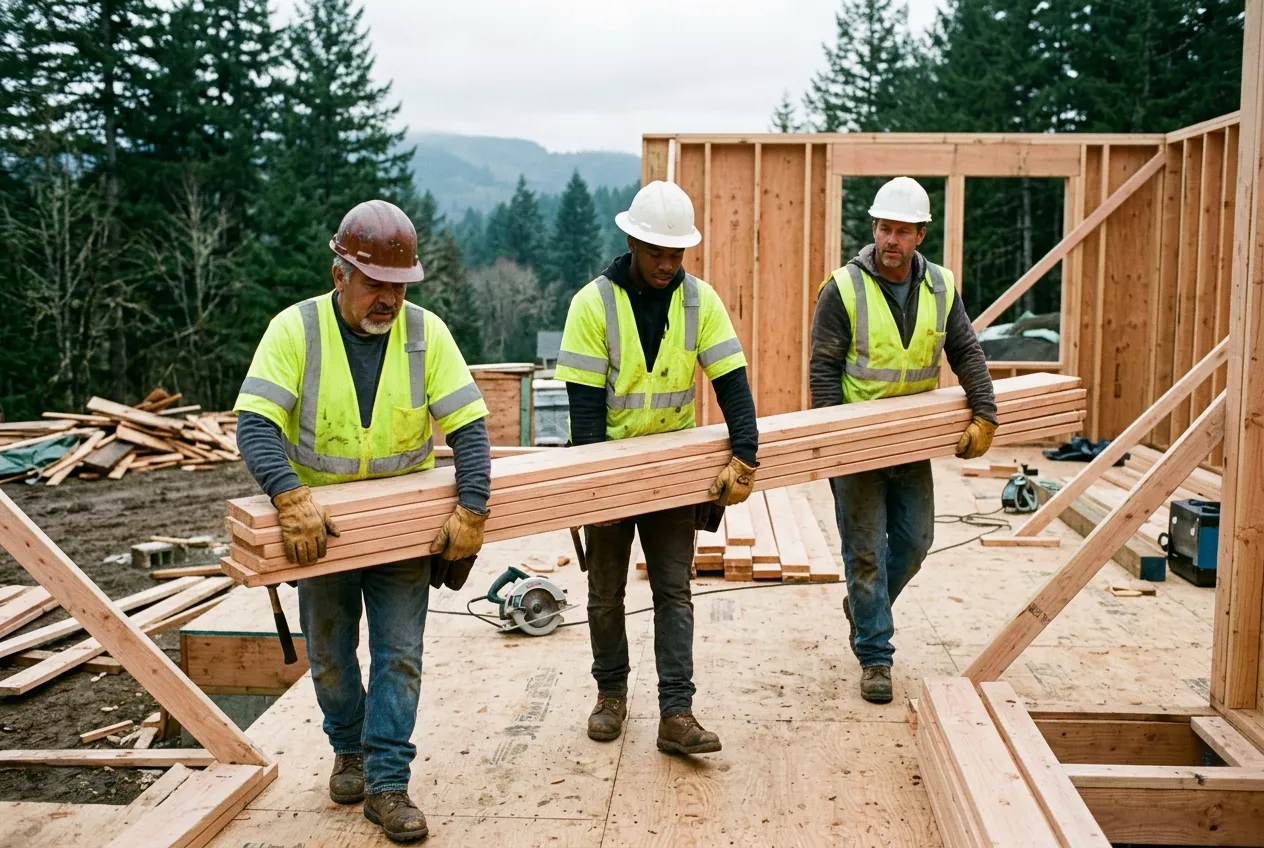
How this coverage works
Workers’ Compensation provides no-fault statutory Part A benefits for employees who sustain work-related injuries or occupational illnesses—covering authorized medical treatment, physical rehabilitation, and partial lost-wage replacement without a fixed dollar cap. Standard policies also include Part B Employers’ Liability (commonly $100,000/$500,000/$100,000 or $1,000,000) to defend qualifying third-party-over or non-statutory workplace lawsuits.
Coverage has no policy deductible in standard Oregon programs and is rated per $100 of gross payroll across trade class codes, adjusted by your Experience Modification Rate (EMR). Annual payroll audits reconcile estimated wages and verify valid certificates for any subcontractors hired during the policy term.
What it typically covers
- Emergency care, surgery, prescriptions, and ongoing physical therapy for acute workplace injuries such as ladder falls or tool trauma
- Time-loss wage replacement benefits during authorized recovery periods following a compensable on-the-job injury
- Diagnosed occupational illnesses or repetitive-strain conditions proven to arise out of and in the course of employment
- Part B Employers’ Liability defense and settlements (or Stop-Gap endorsement where Washington L&I is primary) for qualifying suits
Common exclusions
- Injuries resulting from intentional self-harm, unlawful intoxication outside policy exceptions, or non-work personal errands
- Independent subcontractors who hold valid statutory coverage on their own—though uninsured subs are charged back on audit
- Sole proprietors, partners, or corporate officers who formally elect statutory owner exclusion on state filings
- Injuries to customers, pedestrians, or non-employees on site (covered by General Liability, not Workers’ Comp)
Practical details before you quote
Real-world scenarios
- A Hillsboro residential framing contractor transitioning from Oregon CCB Exempt to Non-Exempt status to hire two full-time carpenters
- A Salem family restaurant carrying Oregon Workers’ Comp for kitchen cooks, servers, and prep staff with clean payroll classification splits
- A Vancouver, WA electrical subcontractor paying Washington L&I premiums and adding private Stop-Gap Employers’ Liability onto their CGL for cross-river projects
What shapes your price
- NCCI or state trade risk classifications separating high-hazard roof/framing payroll from clerical or sales wages
- Total estimated annual payroll by state (Oregon vs. Washington hours/rate structure) and owner inclusion elections
- Experience Modification Rate (EMR) reflecting multi-year workplace claim frequency and severity trends
- Active written safety programs, return-to-work practices, and documented certificates for every hired subcontractor
What to have ready
- Number of employees, job classifications, and annual payroll estimates
- Business trade details and state work locations (OR / WA)
- Prior policy loss history if switching carriers
We quote Workers Comp alongside CGL and Surety Bonds so contractors can manage compliance cleanly from one bilingual agency.
Frequently asked questions
Common questions on coverage limits, requirements, and renewals in Oregon and Washington.
Oregon allows coverage through private carriers or SAIF Corporation under NCCI payroll rates, whereas Washington mandates buying statutory coverage directly from the state-run Washington L&I fund. Multi-state Oregon contractors sending crews to Washington jobsites must set up an active WA L&I account and verify reciprocal reporting rules before starting work.
Hiring even one part-time or temporary employee immediately disqualifies CCB Exempt status. Before that helper steps onto a jobsite, you must bind an Oregon Workers’ Compensation policy and update your CCB endorsement to Non-Exempt to avoid stop-work orders, civil penalties, and uninsured-employer liability.
Washington’s monopolistic L&I State Fund pays Part A statutory worker benefits but does not include Part B Employers’ Liability coverage for certain non-statutory or third-party-over suits. Stop-Gap is added to your CGL (and followed by your Umbrella) to fill that specific Washington gap.
If you pay a subcontractor or 1099 helper who does not carry active Workers’ Comp (or verifiable sole-proprietor exemption meeting strict statutory rules), your insurer can treat their labor payments as your own payroll during the annual audit—charging unexpected back-premiums at your trade rate.
Related coverages
View all coverages in this category
Commercial General Liability (CGL)
Helps protect your business against third-party claims for bodily injury or property damage connected to your operations—for example, if a visitor is injured at your premises or job site.
Explore coverage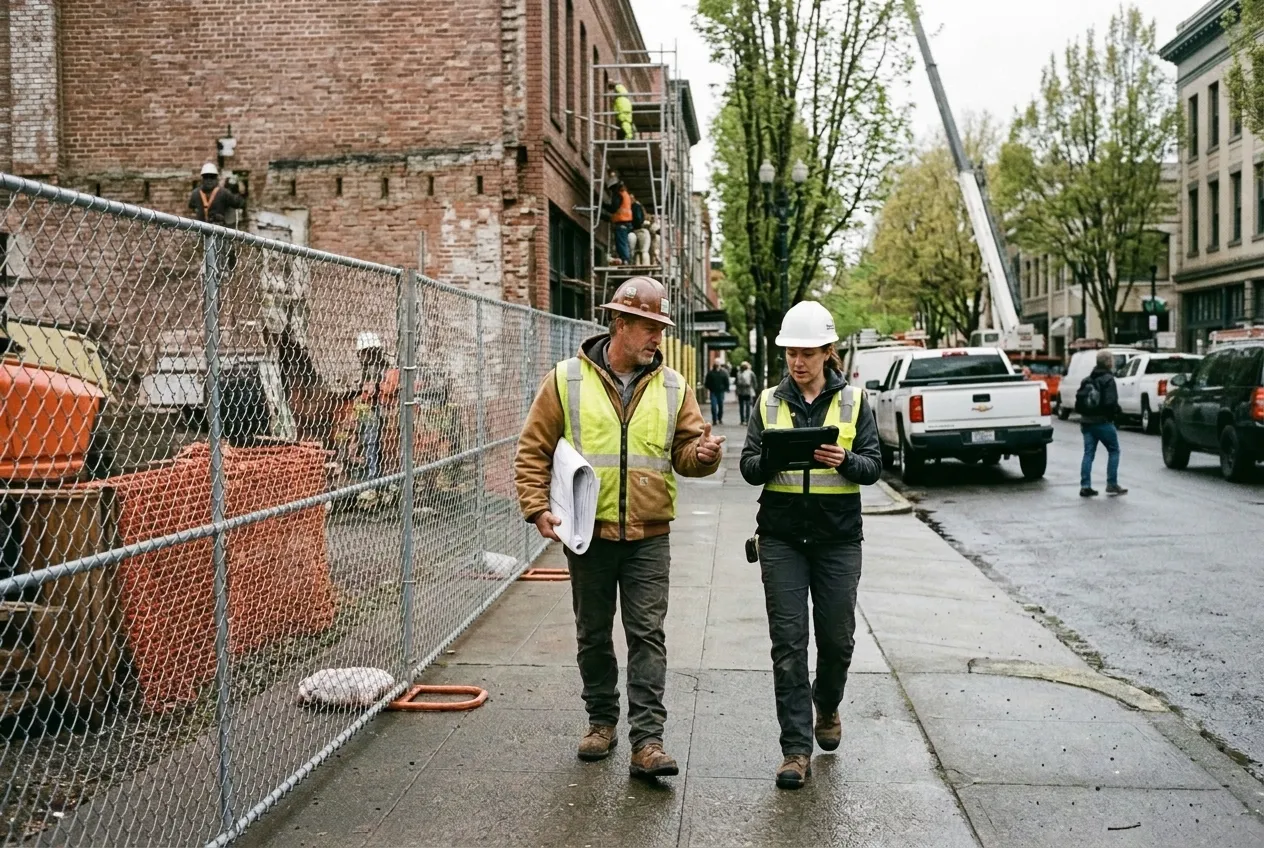
Surety Bonds
Financial guarantees backing an obligation to a third party—such as state contractor license bonds (like Oregon CCB requirements), municipal permits, or project contracts.
Explore coverage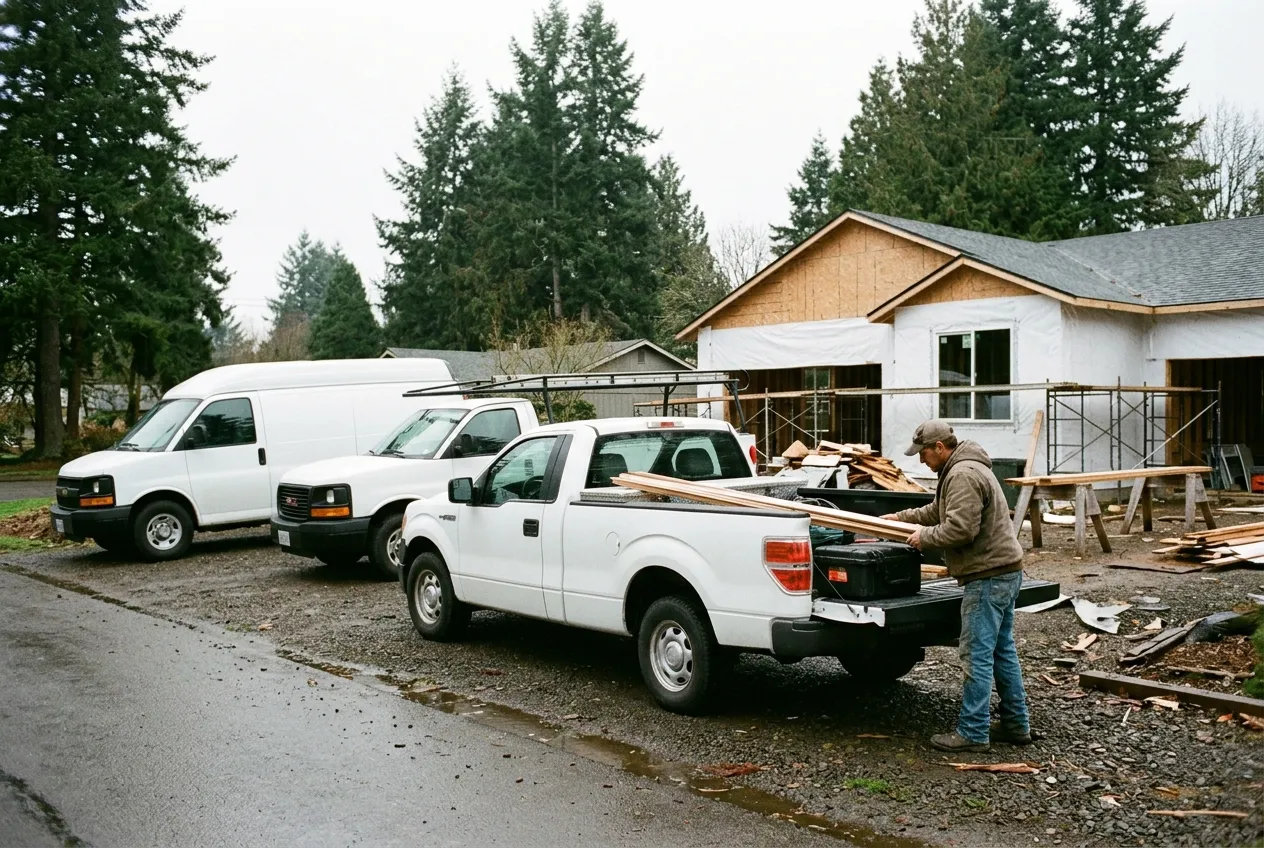
Commercial Auto Insurance
Coverage for vehicles operated in your business, including work pickups, service vans, and delivery vehicles. May include commercial liability and vehicle damage protection.
Explore coverage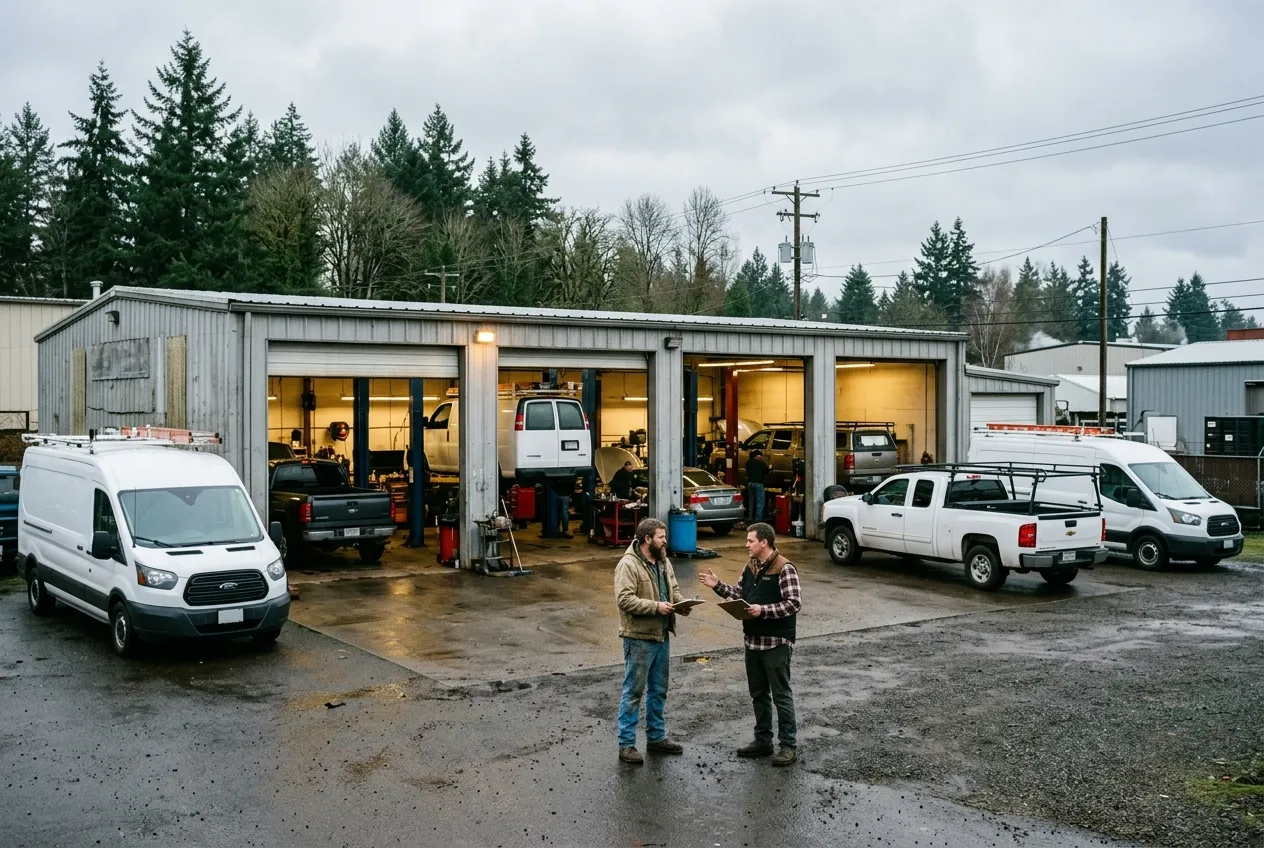
Commercial Umbrella Insurance
Adds an extra layer of liability protection above the limits of specific underlying commercial policies according to policy conditions.
Explore coverage
Compare clear options in your language
Our licensed advisors compare different carriers across Oregon and Washington and normally respond within 60 to 90 minutes during business hours.