
Condo insurance aligned with your HOA master policy
Built for condominium owners. Covers personal belongings and the interior portions of your unit that fall under your responsibility outside the HOA master policy.
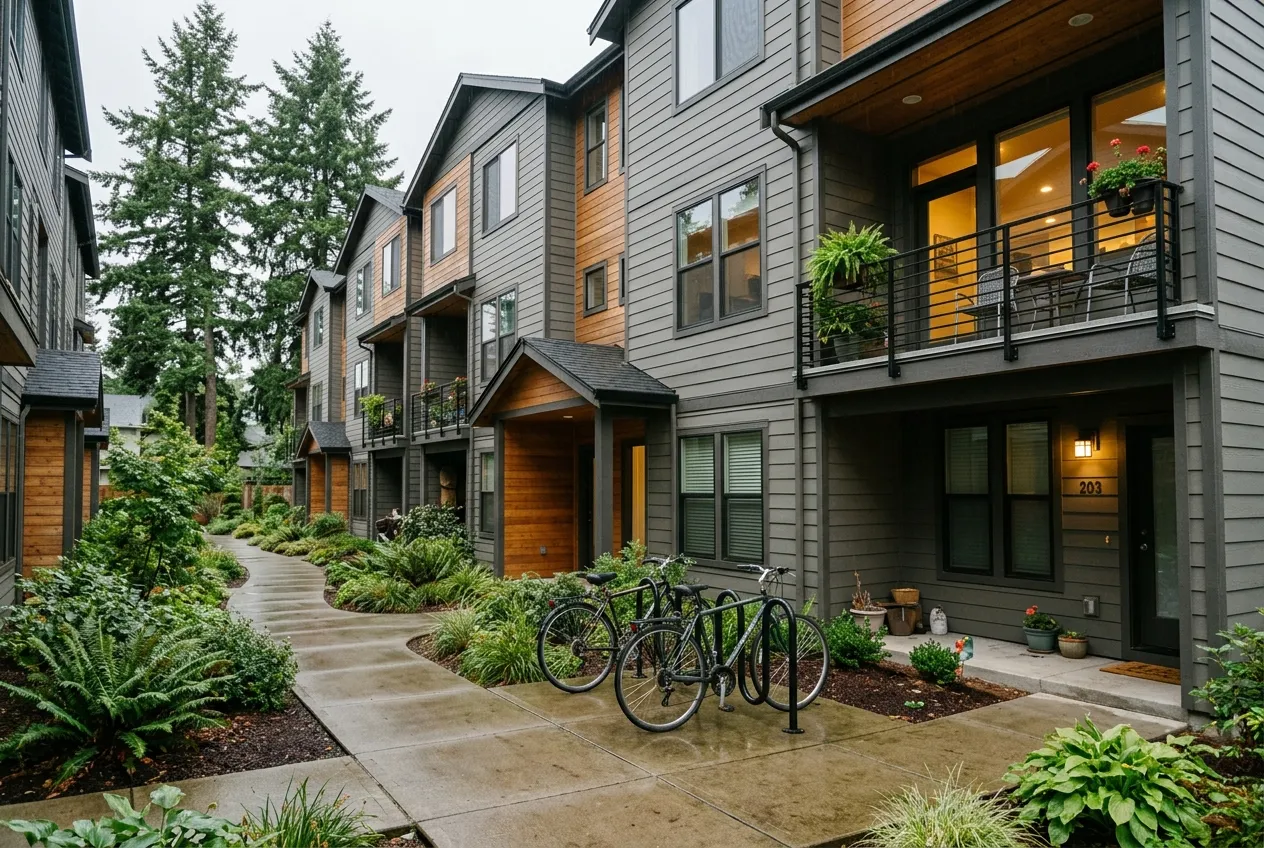
How this coverage works
Condo insurance (HO-6) bridges the gap right where your condominium association’s (HOA) master policy ends. While the HOA insures shared roofs, exterior siding, lobbies, and common walkways, your HO-6 policy covers the interior walls-in structure you own—flooring, cabinetry, countertops, appliances, personal belongings, and personal liability.
Smart condo buying starts by reading your HOA bylaws before choosing your Coverage A interior limit. Under a "Bare Walls" master policy, you must insure all interior drywall, fixtures, and cabinets; under an "All-In" master policy, your focus shifts toward personal upgrades, belongings, and Loss Assessment protection.
What it typically covers
- Interior dwelling additions & finishes (Coverage A): flooring, kitchen cabinets, fixtures, and drywall
- Personal belongings (Coverage C) covering furniture, electronics, clothing, and household items
- Loss Assessment coverage paying your share when the HOA passes on a large covered master deductible
- Loss of Use (Coverage D) paying temporary hotel and meals while interior water or fire repairs run
- Personal Liability (Coverage E) if an overflowing dishwasher or guest injury triggers claims from neighbors
Common exclusions
- Exterior roofs, siding, shared hallways, and common amenities already insured by the HOA master policy
- Special HOA assessments billed for deferred roof replacements, painting, or capital reserve shortfalls
- Earthquake or flood assessments unless expressly added by specialized endorsements
- Slow hidden plumbing drips, mold growth, or undisclosed short-term rental subleasing
Practical details before you quote
Real-world scenarios
- A Tigard condo buyer checks her HOA bylaws, discovers the master policy is "Bare Walls", and sets Coverage A at $85,000 to protect flooring, quartz counters, and bath tile.
- A Beaverton unit’s refrigerator ice-maker line leaks into two floors below; the owner’s HO-6 liability and Loss Assessment limits help absorb the HOA’s $25,000 master water deductible.
- A Portland buyer compares deed documents with an agent to confirm whether their unit requires a townhome HO-3 policy or a condo HO-6 policy.
What shapes your price
- Interior Coverage A limit dictated by HOA master policy language ("Bare Walls" vs. "All-In")
- Personal property valuation, Loss Assessment limit ($10,000–$50,000+), and chosen deductible
- Building age, sprinkler/fire alarm systems, plumbing updates, and number of units in the complex
- Unit and association loss history plus Oregon ORS 746.661 credit-rating protections
What to have ready
- Unit street address and HOA master policy responsibility summary
- Interior upgrades (flooring, cabinets, fixtures)
- Estimated personal contents value and desired liability limit
Pairing your condo unit policy with Personal Auto frequently unlocks multi-policy savings across carriers.
Frequently asked questions
Common questions on coverage limits, requirements, and renewals in Oregon and Washington.
Request the current HOA Certificate of Insurance and CC&R insurance section from your association manager. It specifies whether the HOA stops at bare unfinished concrete/studs or covers original builder-grade cabinets, tubs, and flooring.
Many HOA master policies now use high per-occurrence water or wind deductibles ($10,000 to $50,000+) that the board can legally bill back to unit owners. Loss Assessment coverage helps pay your assessed share of a covered master loss.
Your Coverage A interior limit repairs your own damaged flooring and drywall, while your Personal Liability coverage defends and pays valid property damage claims brought by your neighbor or the HOA.
Legal title—not building shape—decides. If your deed gives you sole ownership of the roof and exterior siding, you generally need an HO-3; if the HOA owns and insures the exterior shell and roof, you need an HO-6.
Related coverages
View all coverages in this category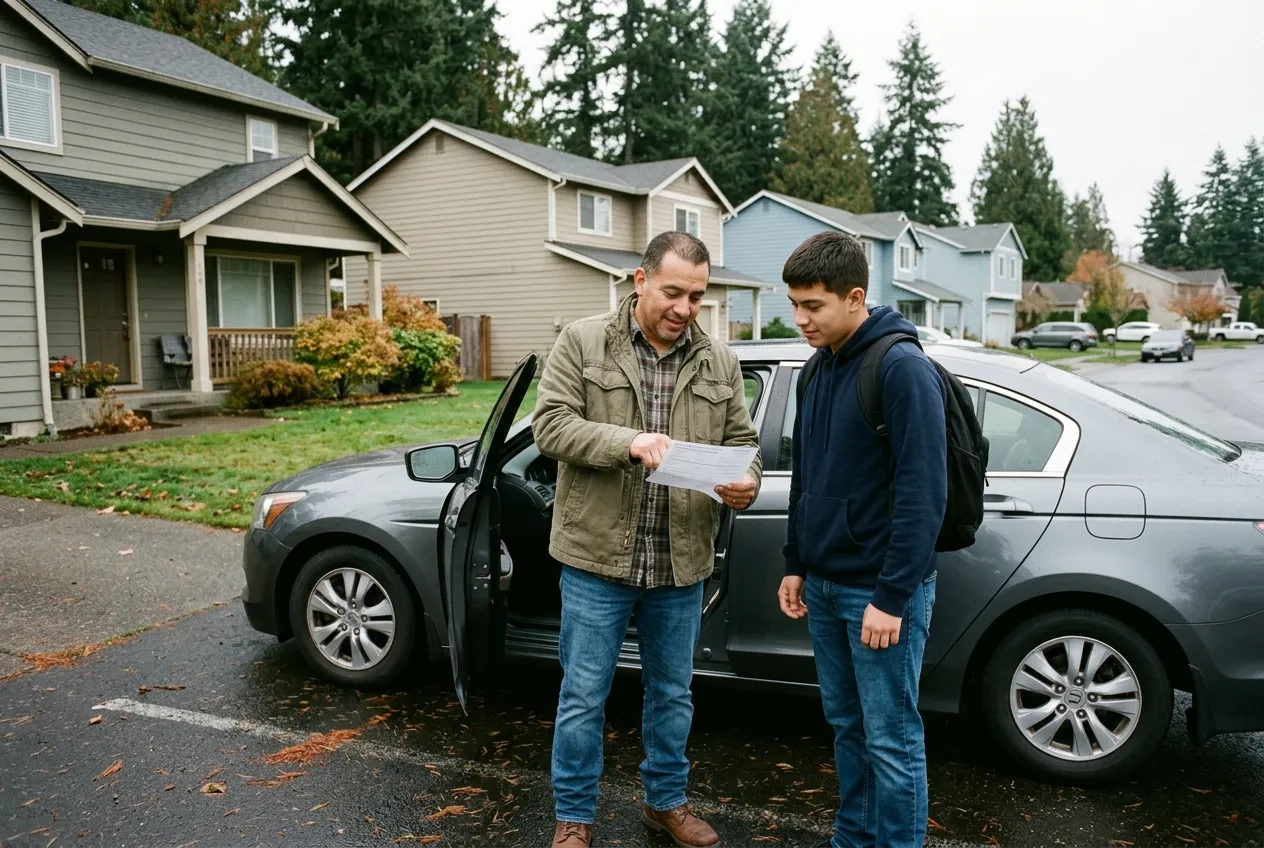
Personal Auto Insurance
Coverage for everyday personal vehicles. Options may include liability protection and physical damage coverage for your vehicle depending on the limits and deductibles you choose.
Explore coverage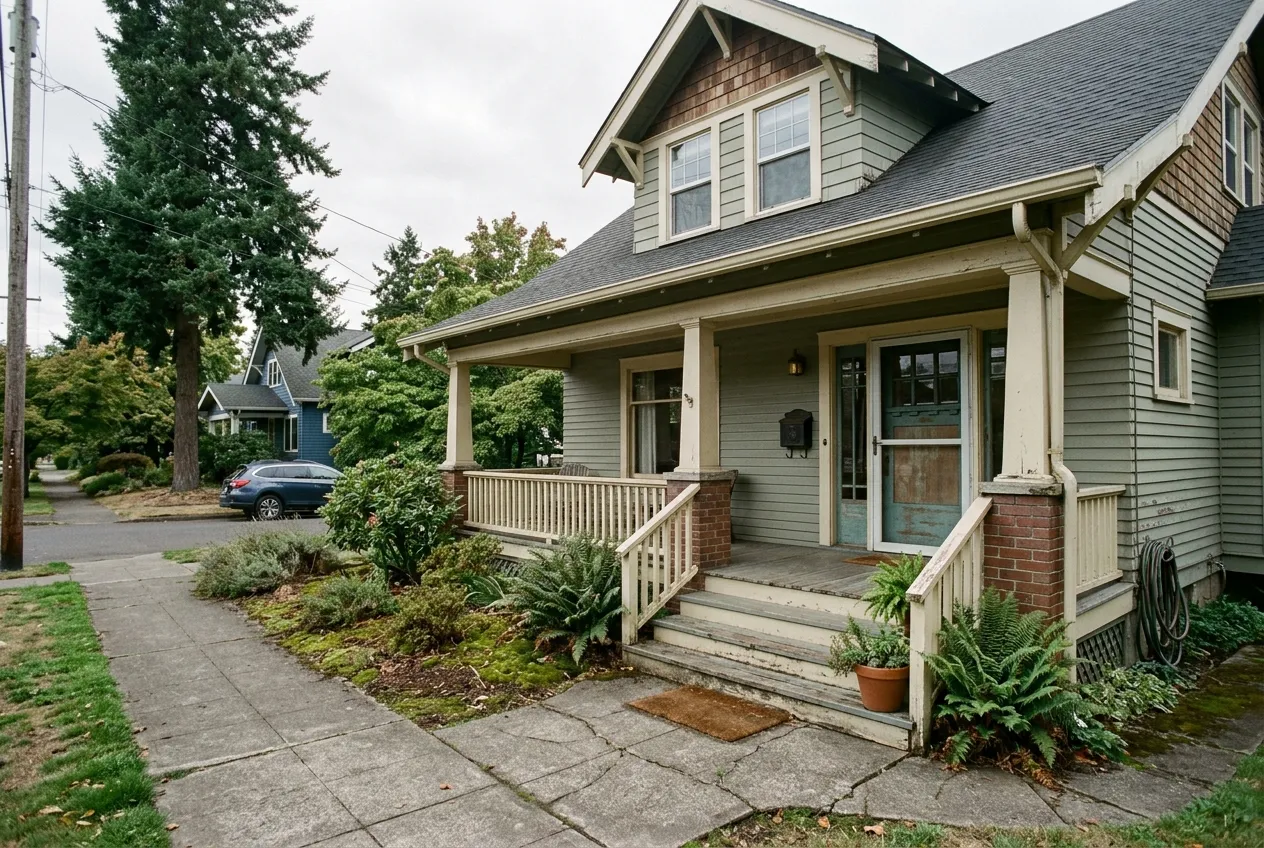
Homeowners Insurance
Protection for owner-occupied homes. Policies can cover the physical structure, personal belongings, and personal liability according to selected policy terms.
Explore coverage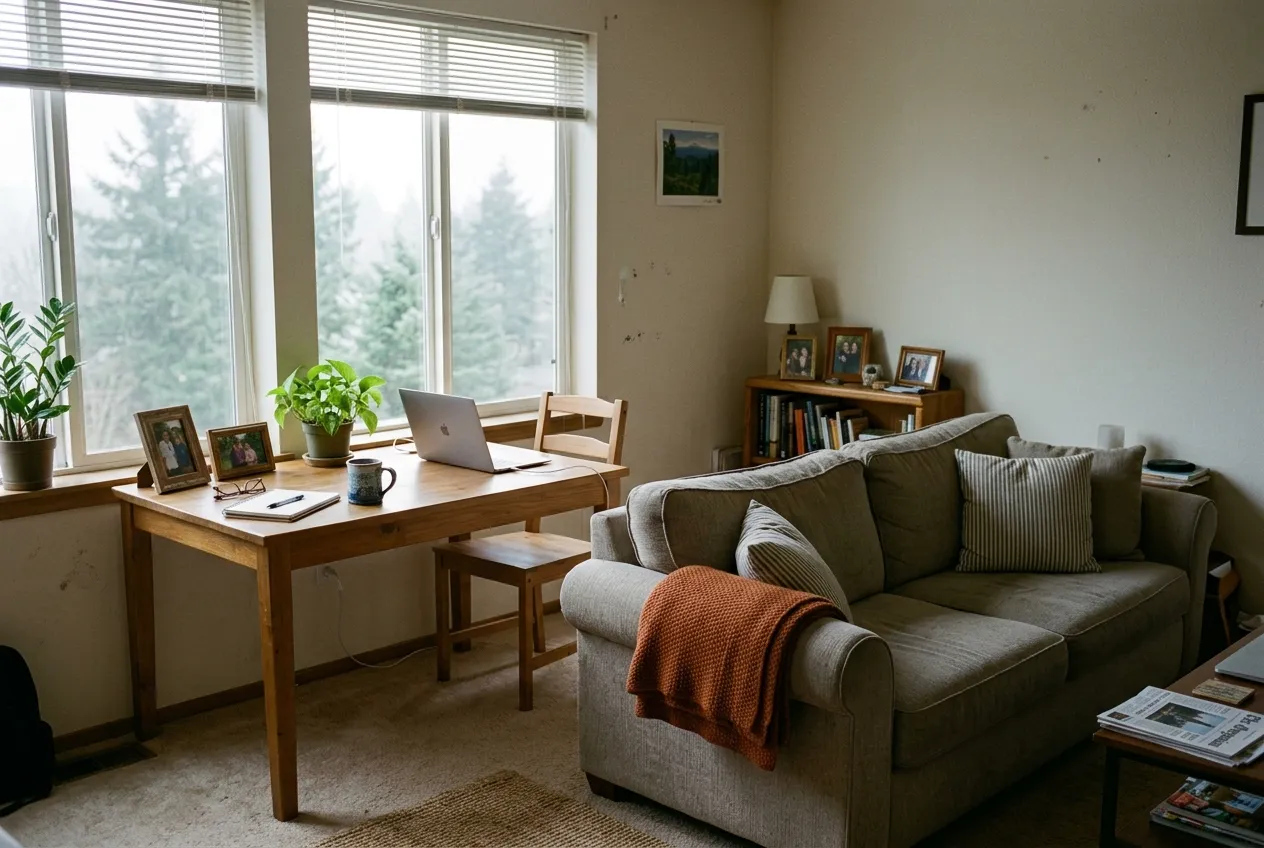
Renters Insurance
If you rent a house or apartment, renters coverage helps protect your personal belongings and provides personal liability protection required by many leases.
Explore coverage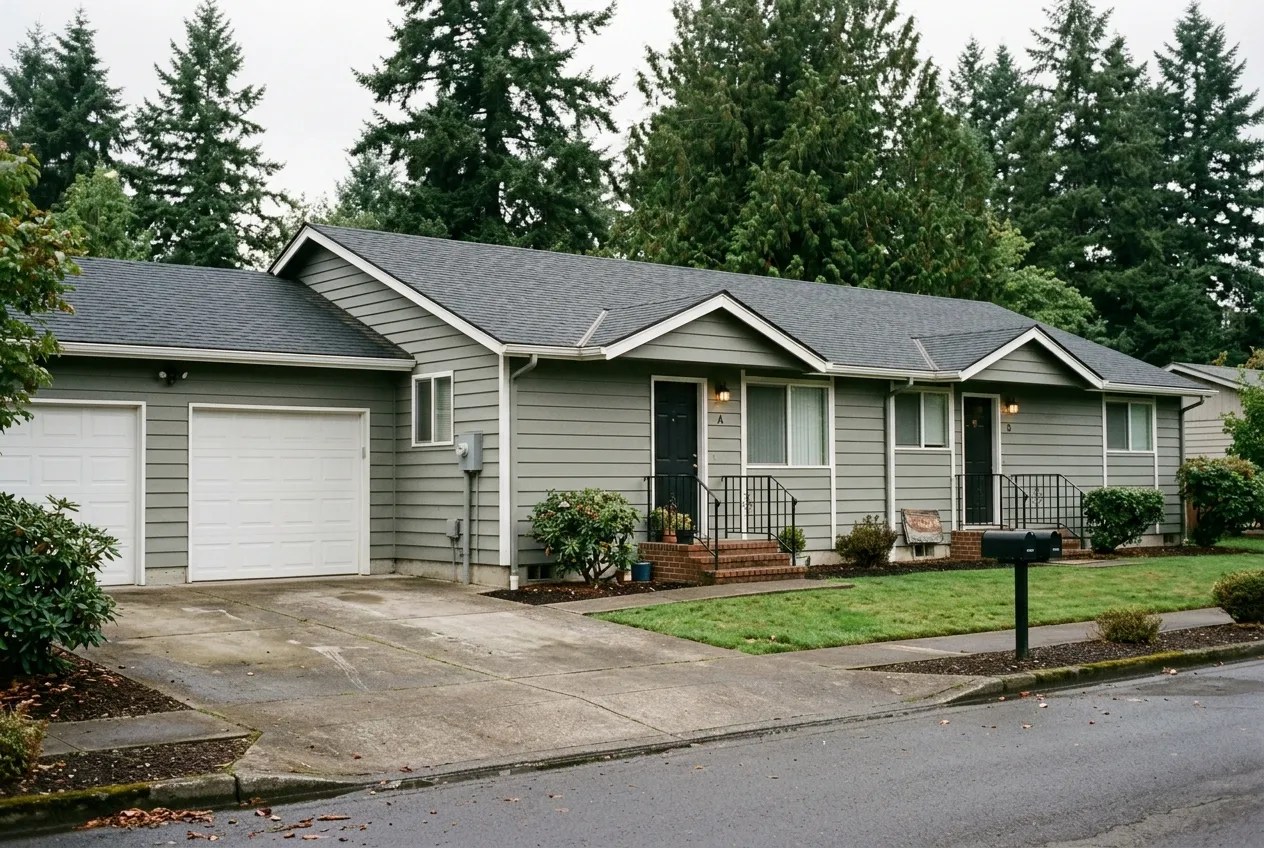
Landlord Insurance
Designed for owners who lease out a house or residential unit. Coverage can protect the dwelling structure and address property-related liability claims.
Explore coverage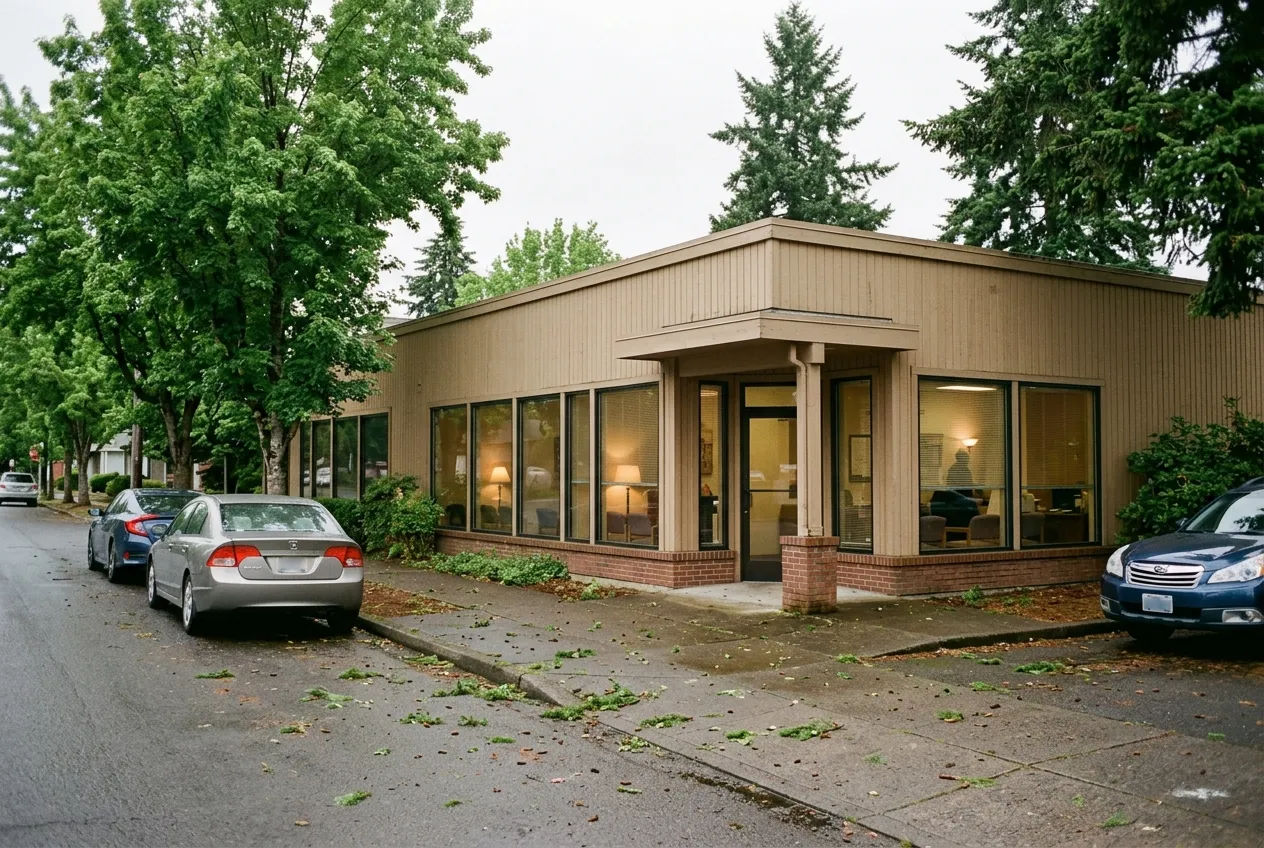
Compare clear options in your language
Our licensed advisors compare different carriers across Oregon and Washington and normally respond within 60 to 90 minutes during business hours.