
Landlord insurance for residential rental properties
Designed for owners who lease out a house or residential unit. Coverage can protect the dwelling structure and address property-related liability claims.
How this coverage works
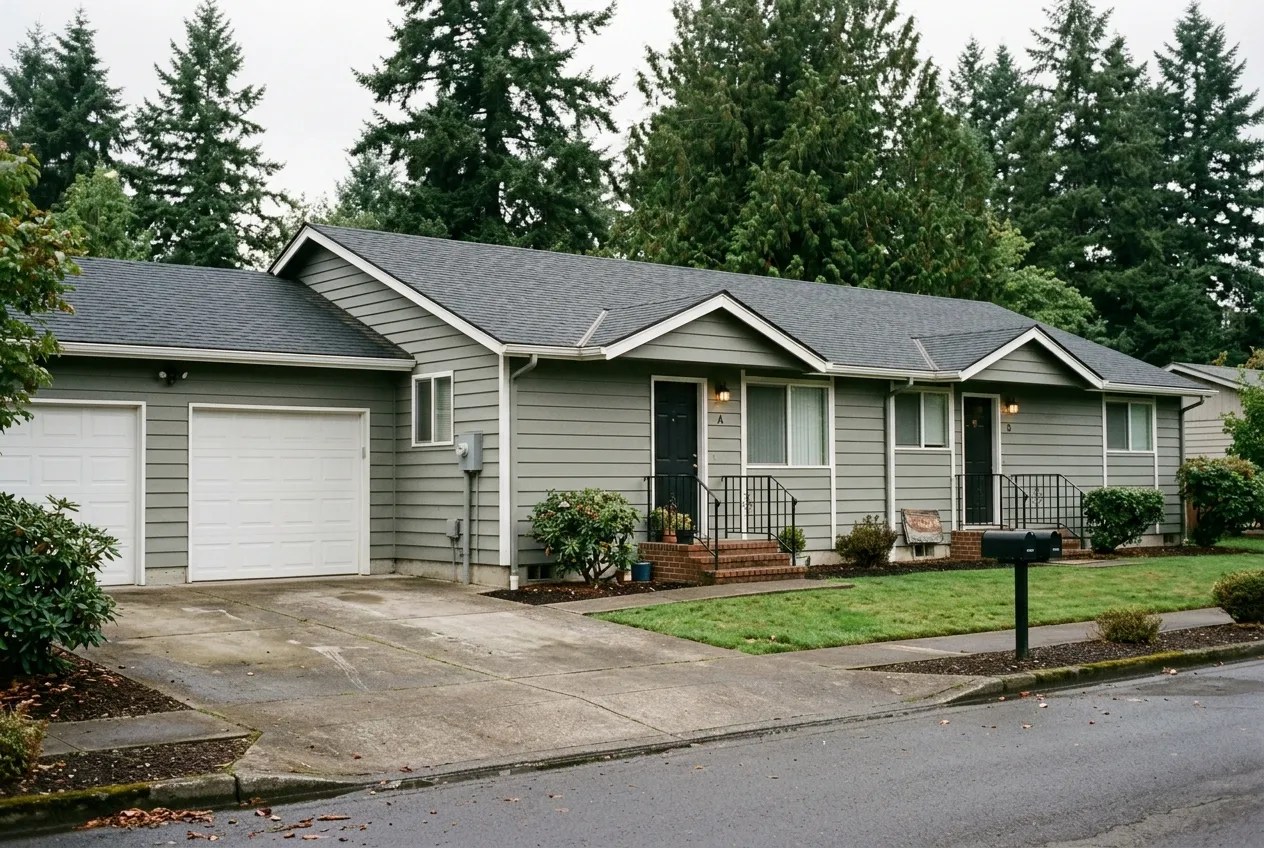
Landlord insurance—commonly issued on a DP-3 Dwelling Fire form—protects single-family houses, duplexes, or small residential properties you own and lease to tenants. Because you do not live inside the property, a standard homeowner policy is invalid; a landlord policy aligns structure coverage, premises liability, and landlord-owned appliances to tenant occupancy.
It can also provide Fair Rental Value (Loss of Rents), reimbursing monthly rental income lost if a covered fire or burst pipe renders the home uninhabitable during repairs. Selecting broad open-peril DP-3 Replacement Cost rather than stripped-down DP-1 named-peril coverage protects long-term rental cash flow.
What it typically covers
- Rental dwelling structure (roof, walls, plumbing, wiring) under open-peril DP-3 terms when eligible
- Fair Rental Value / Loss of Rents reimbursing missed lease income during covered structural repairs
- Landlord Premises Liability for tenant or visitor injury claims tied to walkways, stairs, or upkeep
- Detached garages, fencing, and landlord-owned ranges, refrigerators, or laundry appliances
- Optional vandalism or malicious mischief coverage where offered by carrier endorsement
Common exclusions
- Tenants’ personal furniture, electronics, and clothing (tenants must carry separate HO-4 policies)
- Normal tenant wear and tear, unpaid rent from tenant default/eviction, and neglected upkeep
- Extended unoccupancy or vacancy past 30–60 days without a dedicated vacant-home endorsement
- Earthquake, floodwater, and undeclared short-term vacation rentals on standard long-term forms
Practical details before you quote
Real-world scenarios
- A Salem homeowner purchases a second residence and converts her starter craftsman house from an HO-3 homeowner policy into a DP-3 landlord policy with Loss of Rents.
- A Woodburn duplex owner experiences an accidental kitchen fire in one side and collects four months of Fair Rental Value while contractors restore cabinets and electrical wiring.
- A Vancouver investor with two rental homes pairs $500,000 landlord liability limits with a Commercial Umbrella policy to shield personal family assets.
What shapes your price
- Occupancy status (long-term annual lease vs. short-term furnished rental or renovation vacancy)
- Unit count (1–4 residential units), construction year, roof condition, and electrical/plumbing updates
- Dwelling valuation method (DP-3 Replacement Cost vs. DP-1 ACV) and selected deductible level
- Premises liability limit, Fair Rental Value amount, and Oregon ORS 746.661 credit rules where applicable
What to have ready
- Rental property address, number of units, and construction year
- Occupancy details (long-term lease vs. vacant periods)
- Building updates (roof, plumbing, electrical panel)
We compare different carriers for investment properties and verify pay-in-full and multi-property pricing where eligible.
Frequently asked questions
Common questions on coverage limits, requirements, and renewals in Oregon and Washington.
No. Once you stop living in the home as your primary residence and collect rent, owner-occupied policy warranties no longer apply. Switching to a Landlord DP-3 policy ensures valid coverage if a serious fire or injury occurs.
DP-1 is basic named-peril protection that often pays depreciated Actual Cash Value and omits sudden water damage. DP-3 provides open-peril coverage on the physical structure at full Replacement Cost and commonly bundles Loss of Rents.
Most landlord policies restrict vandalism, glass, and freeze/water claims once a property remains vacant past 30 to 60 consecutive days. Let your agent know during renovations or long vacancies so a vacancy permit can be reviewed.
The named insured on the policy must match the legal deed owner of the property—whether an individual, revocable trust, or LLC—so a carrier never questions insurable interest during a claim.
Related coverages
View all coverages in this category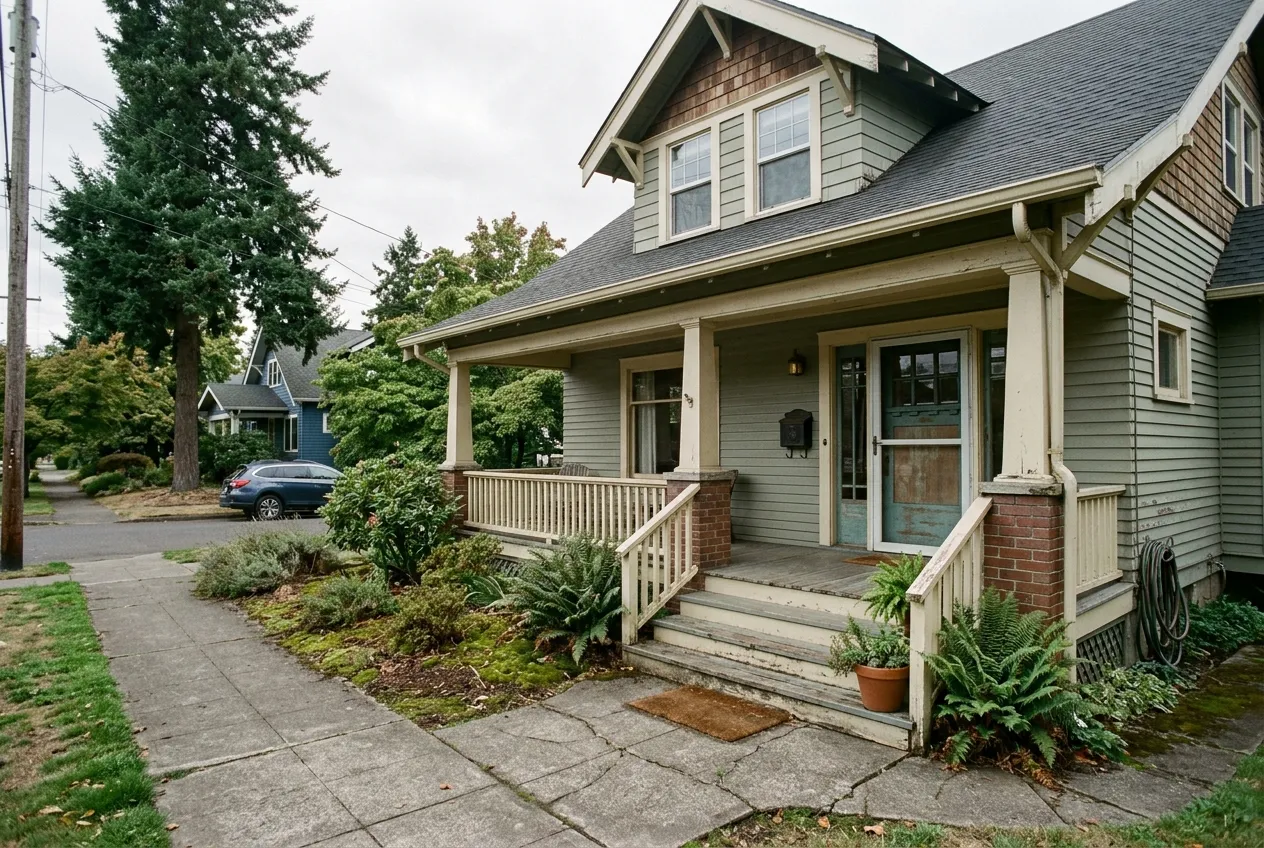
Homeowners Insurance
Protection for owner-occupied homes. Policies can cover the physical structure, personal belongings, and personal liability according to selected policy terms.
Explore coverage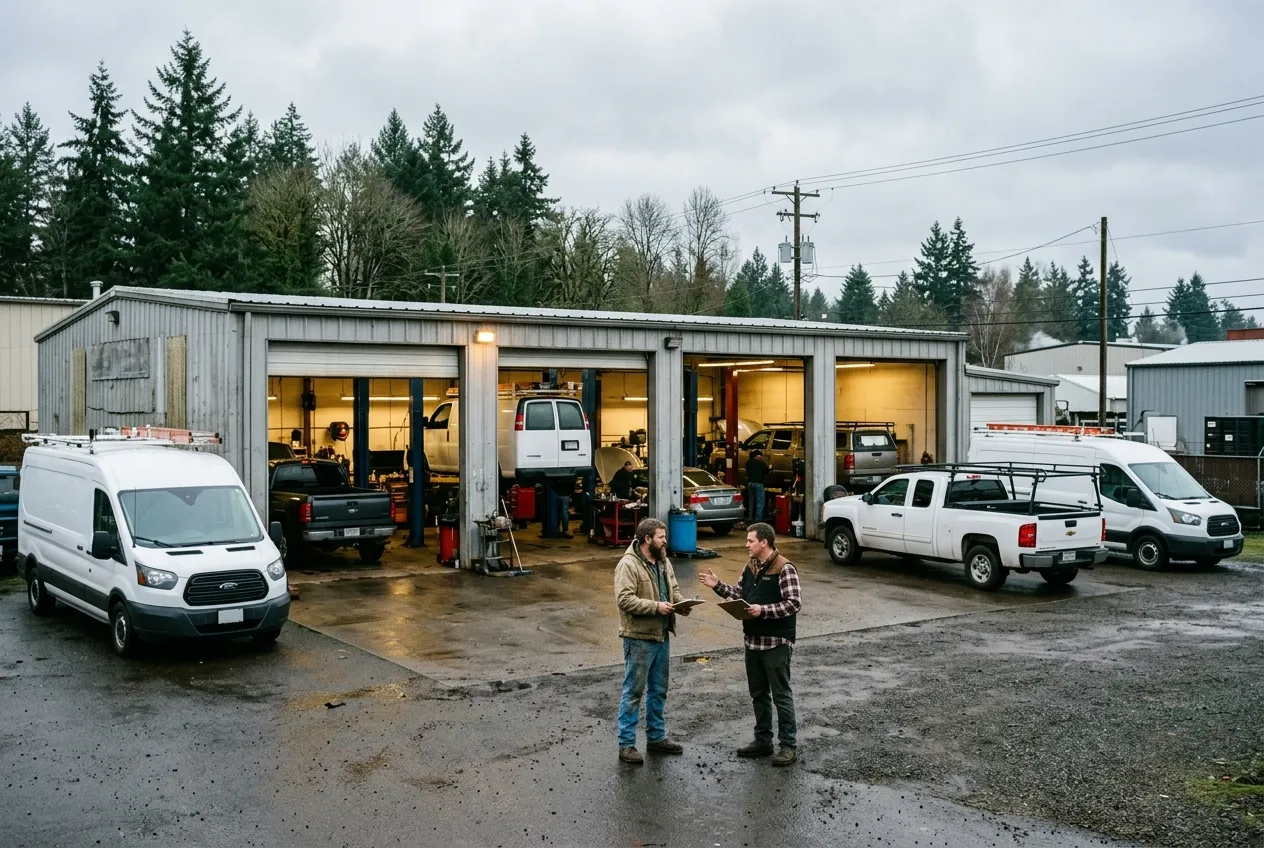
Commercial Umbrella Insurance
Adds an extra layer of liability protection above the limits of specific underlying commercial policies according to policy conditions.
Explore coverage
Commercial General Liability (CGL)
Helps protect your business against third-party claims for bodily injury or property damage connected to your operations—for example, if a visitor is injured at your premises or job site.
Explore coverage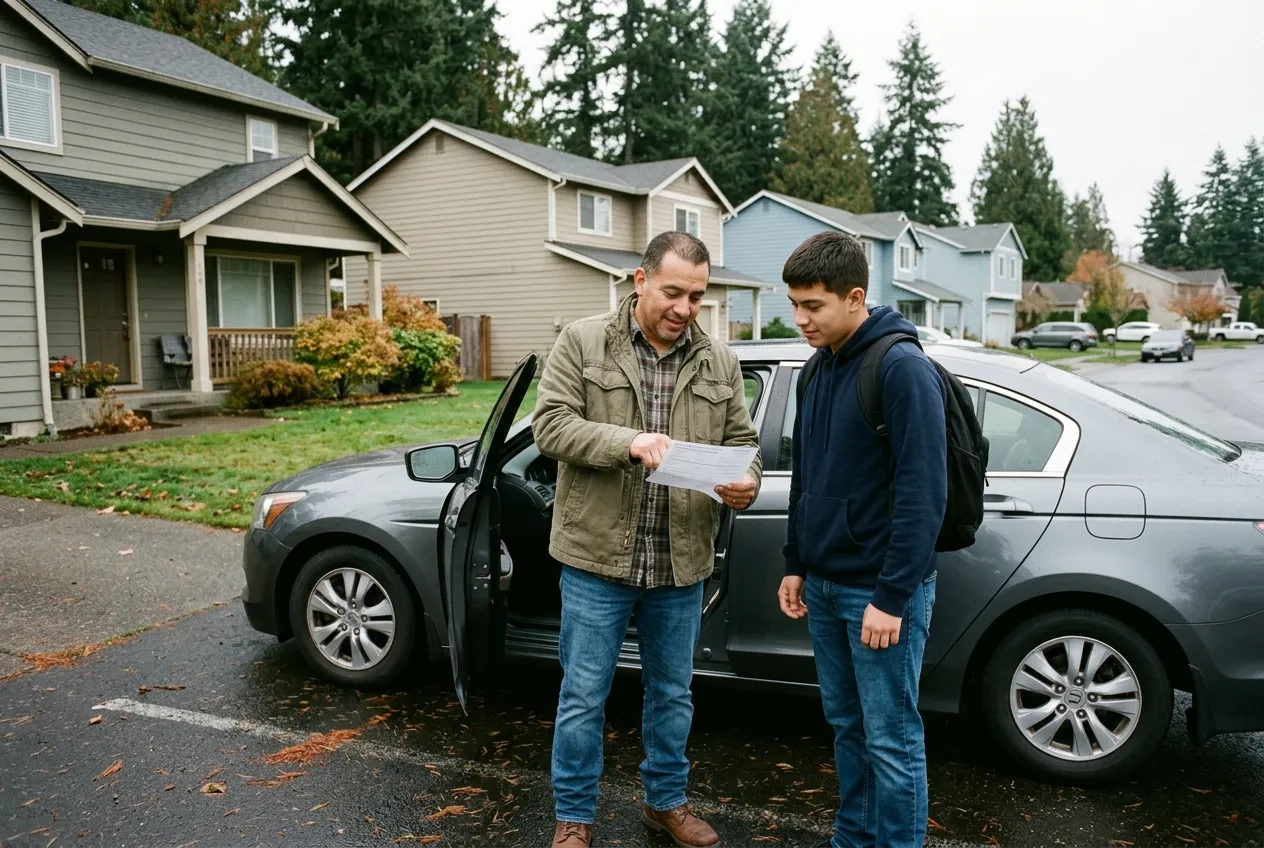
Personal Auto Insurance
Coverage for everyday personal vehicles. Options may include liability protection and physical damage coverage for your vehicle depending on the limits and deductibles you choose.
Explore coverage
Compare clear options in your language
Our licensed advisors compare different carriers across Oregon and Washington and normally respond within 60 to 90 minutes during business hours.